THL#06 – Dogsledding, Phenology, haiku moment + awareness prompt
Sorry for missing a week last week. It turns out that moving from one side of the world to the other is quite an involved job – especially when trying to keep costs down!
Field Notes
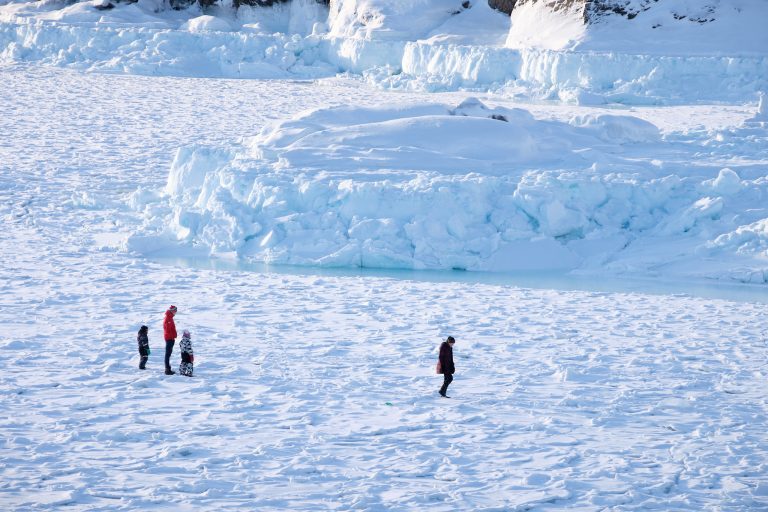
One of the things I wanted to do before leaving Greenland was go for another dogsledding trip. I’ve been twice before – once in East Greenland, and once in Qaanaaq (far North Greenland) where I just about froze to death!
My town of Sisimiut is a very strong dogsledding community and is one of the few places in Greenland where the number of Greenlandic Sled Dogs is growing. So it’s really quite a surprise I haven’t been out while living here!
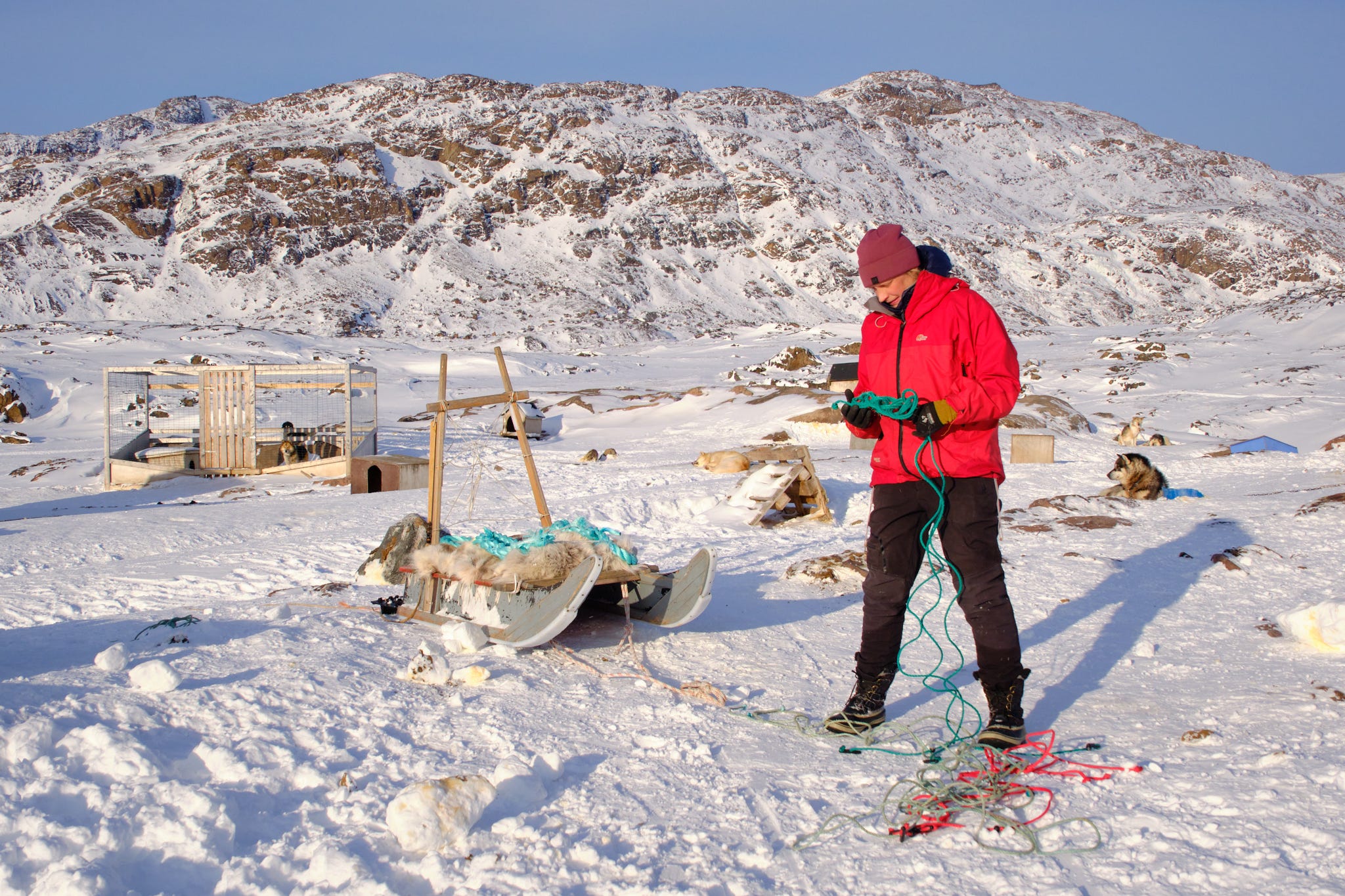
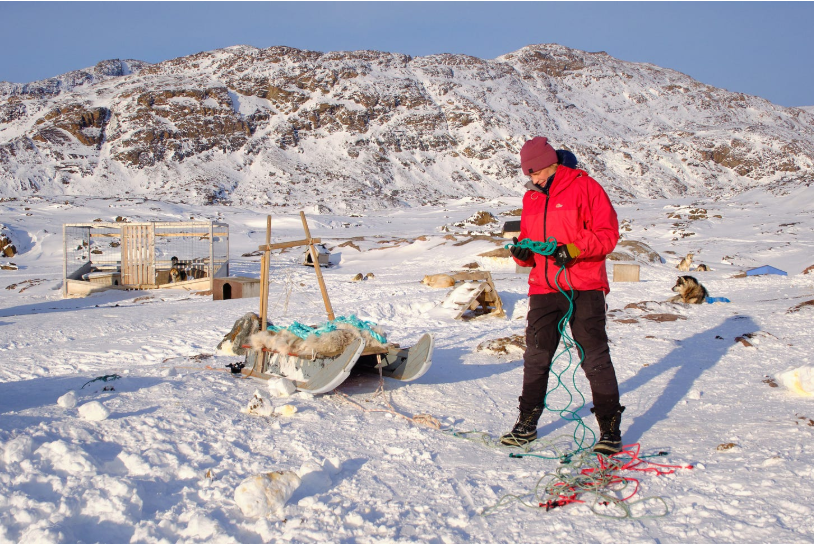
Preparing the dog sled takes quite a while – especially when using a team of 6+ dogs. We were 3 people, 9 dogs (arranged in 3 sets of 3), and a small sled going out for about a 45 minute trip near Sisimiut. In the above image you can see my friend, Josephine preparing the harnesses, our sled, and some of the dogs that would come with us.
What’s it like on the sled when the weather is perfect? Peaceful. Slow-paced. Nature-focused. Meditative. And occasionally exhilarating, when you come to a more tricky section in the landscape.
I don’t have any photos from this trip, because I was focused on recording sound. Here’s a small snippet. Imagine a snow-covered landscape of mountains slowly gliding by as you look up from ground level … and the butts of 9 dogs 😂
You can hear the runners gliding over different types of snow. The musher calling to the dogs. The creak of the wooden sled. It’s just you, the dog team, and pure nature.
Note: Greenlandic Sled Dogs are not the same as huskies – they’re one of the world’s oldest dog breeds and have been kept pure for thousands of years by the Greenlandic Inuit. No other dog breed is allowed into the dogsledding area of Greenland, and if you take your sled dog outside the area, you can’t bring it back. For this reason, Air Greenland puts on special “Dog flights” to transport the dog teams around the country for the National dogsledding championships, held each March/April.
If you are visiting Greenland in the winter and worried about the ethics of dogsledding. Don’t be. Tourism is really helping to keep the dogsled population at around it’s current numbers, and is playing a crucial role in the survival of this traditional practice.
A Haiku Moment
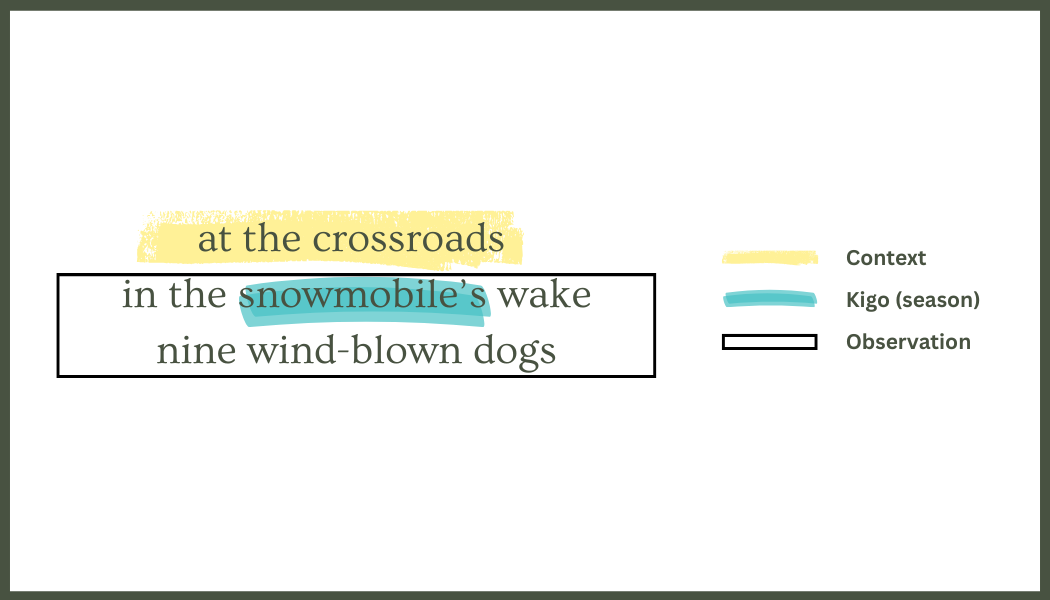
If you’d like to get started with haiku and learn more about the above breakdown, subscribe to the newsletter to download a 10-page quickstart guide.
Attention Practices
If you’ve ever found yourself walking the same path day after day, wondering how to deepen your connection to the landscape, phenology – the study of nature’s seasonal rhythms – is a powerful way to shift your perspective.
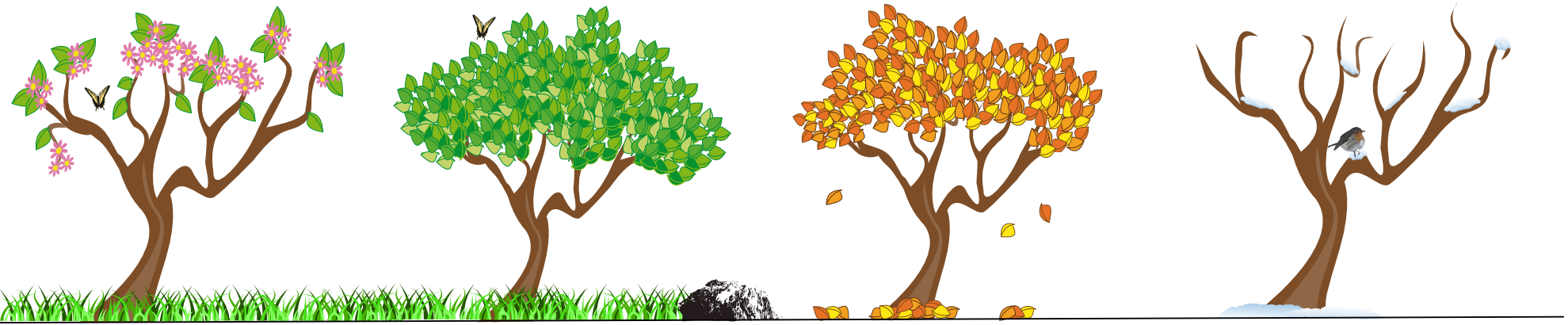
A beautiful example of this “staying put” is Methow Nature Notes. Focused on the Methow Valley in Washington State, it serves as a masterclass in local observation. Instead of seeking out far-flung places, the author tracks the subtle “firsts” and “lasts” of where they live: the arrival of specific migratory birds, the very first bitterroot bloom, or the exact week the larches turn gold.
Monitoring the same flora and fauna year after year transforms his noticing practice into a rigorous, but poetic record. A record that could be used as a historical document by scientists or future generations of the valley.
It’s a wonderful reminder that you don’t need a grand expedition to find wonder; you just need the patience to notice the tiny changes happening right outside your door. When you practice phenology, you stop seeing nature as a static backdrop and start seeing it as a series of choreographed entries and exits.
Why practice phenology?
- Deepens Presence: You can’t record the first bud of a willow tree without looking carefully at that tree every single day.
- Builds Local Literacy: You learn the names and rhythms of the specific lives sharing your postcode.
- Creates a Personal Archive: Over years, your notes become a historical record of life in a specific place.
Something to Try
Phenology might sound like a dense scientific term. But at its heart, it’s just you moving from being a passive observer of “the weather” to an active chronicler of your specific neighborhood.
This week, try to find one “first” in your neighborhood.
- Choose a subject: It could be a specific tree on your street, a patch of dirt where weeds usually appear, or the birds that visit your balcony.
- Look for a transition: Is there a bud beginning to swell? A new call in the morning air? A specific insect that wasn’t there yesterday?
- Capture the date: Write it down. If you do this even once a month, you start to see nature not as a static backdrop, but as a series of choreographed entries and exits.
As you track these tiny transitions, you’ll notice much more about the rich cycles of life in your area. Give it a go and let me know what “first” you spot this week.
Thanks for reading and have a great week!
Best wishes – Lisa
👉 BTW If you enjoy this newsletter, please help spread the word