Season Words in Haiku: What Happens When Haiku Goes Global?
In my last post, I wrote about how much emotional work a season word can do in haiku. But what happens when the reader doesn’t share those seasonal associations?
Haiku is now read all over the world, by people living in very different climates, landscapes and cultures. Some seasonal references, like snow, are widely understood. Others have associations that are much more specific to a place or culture.
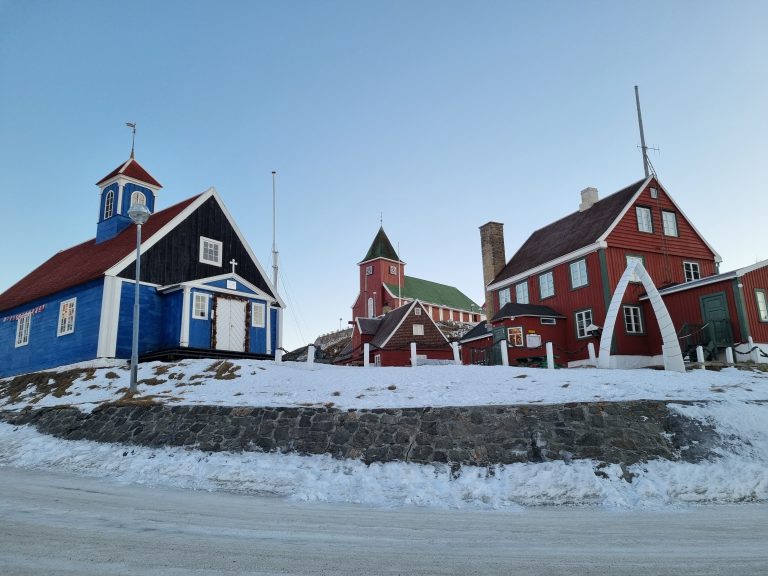
For example, the idea of using Buson’s bush warbler haiku in my haibun about leaving Greenland really only solidified when I looked up the associations bush warblers have in Japanese haiku. I figured the bird was associated with spring. But I didn’t know it was considered a herald of spring, nor did I have many of the other seasonal and cultural associations a Japanese reader might bring to it. Even after looking it up, I’m sure there are subtler things that have gone over my head.
What happens to season words when haiku travels?
The same must happen in reverse. If I put an Australian bird or plant into a haiku, a reader in Japan or Europe might understand the poem, but miss some of what that particular bird or plant means to an Aussie.
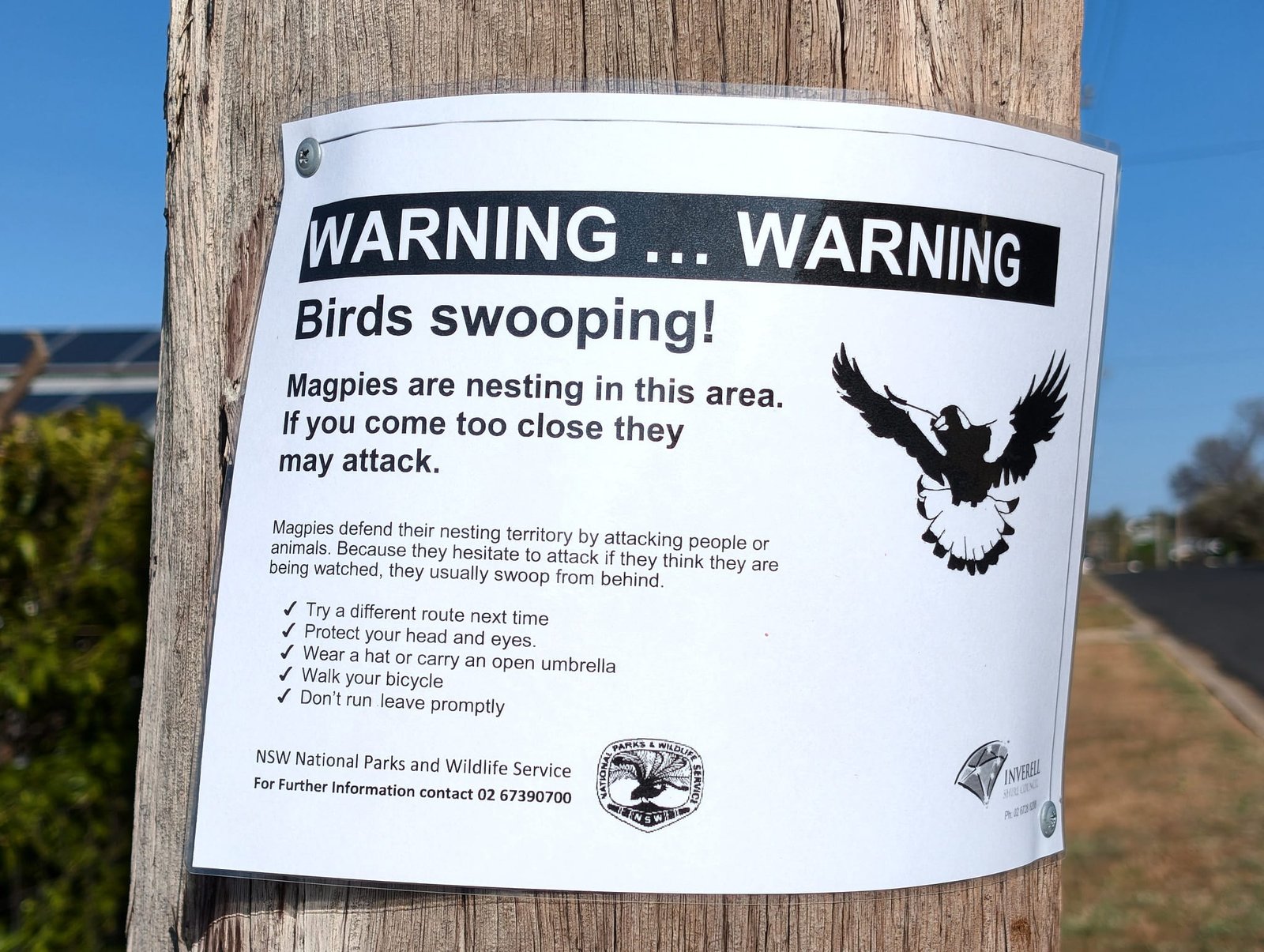
For example, I’m still working on a haiku that features swooping magpies. (Yes, it’s that time of year!) Plenty of international readers have probably seen YouTube clips of Australians being terrorised by them. But that’s not quite the same as viscerally knowing the snap of the beak, the whoosh of feathers, or that instinctive hunch of the shoulders and tingle down the spine when you’re being swooped.
And this is part of the difficulty with season words in haiku today. Within Japanese haiku, they developed among readers who shared much of the same seasonal, literary and cultural knowledge. Once haiku started travelling around the world, that shared knowledge could no longer be assumed.
Is that a reason to give up season words?
I don’t think we should stop using season words just because someone on the other side of the world might miss some of the meaning. In fact, I think we lose something by leaving them out.
Before I looked up the bush warbler, I already had spring. But finding out it was a herald of spring gave me more. A Japanese reader familiar with those cultural and literary associations may well get more again.
And maybe that’s the important bit. We don’t all have to get exactly the same thing from a haiku for it to work. Someone who knows the reference may find another layer. Someone who doesn’t may find something different. Or they might be curious enough to look it up, as I was.
I don’t think the aim should be to write a haiku that every reader, everywhere, will understand in exactly the same way. The aim is to write the strongest poem possible.
And for me, that means starting with what I know: the seasons, birds, plants, landscape and experiences around me. Some of those references won’t travel perfectly. But I’d rather some readers missed a layer of meaning than leave that layer out of the poem altogether.