THL#05 – Raven calls, RBNXPLRNG, haiku moment + awareness prompt
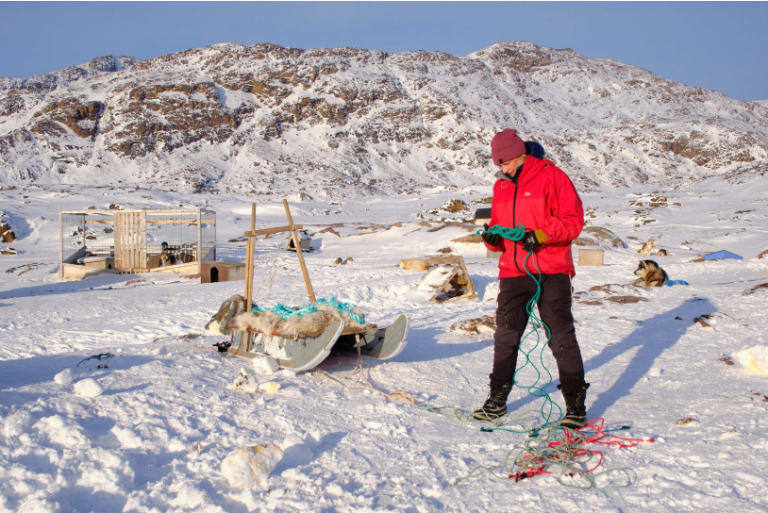
Aluu from Greenland’s capital, Nuuk 😀
Wasn’t sure I’d make it! We’d had perfectly still weather for the past month, but for the 3 days leading up to departure, there were strong winds and snow (finally) – not promising when flying out of a tiny airport with a big mountain right next to it on a propeller plane…
Field Notes
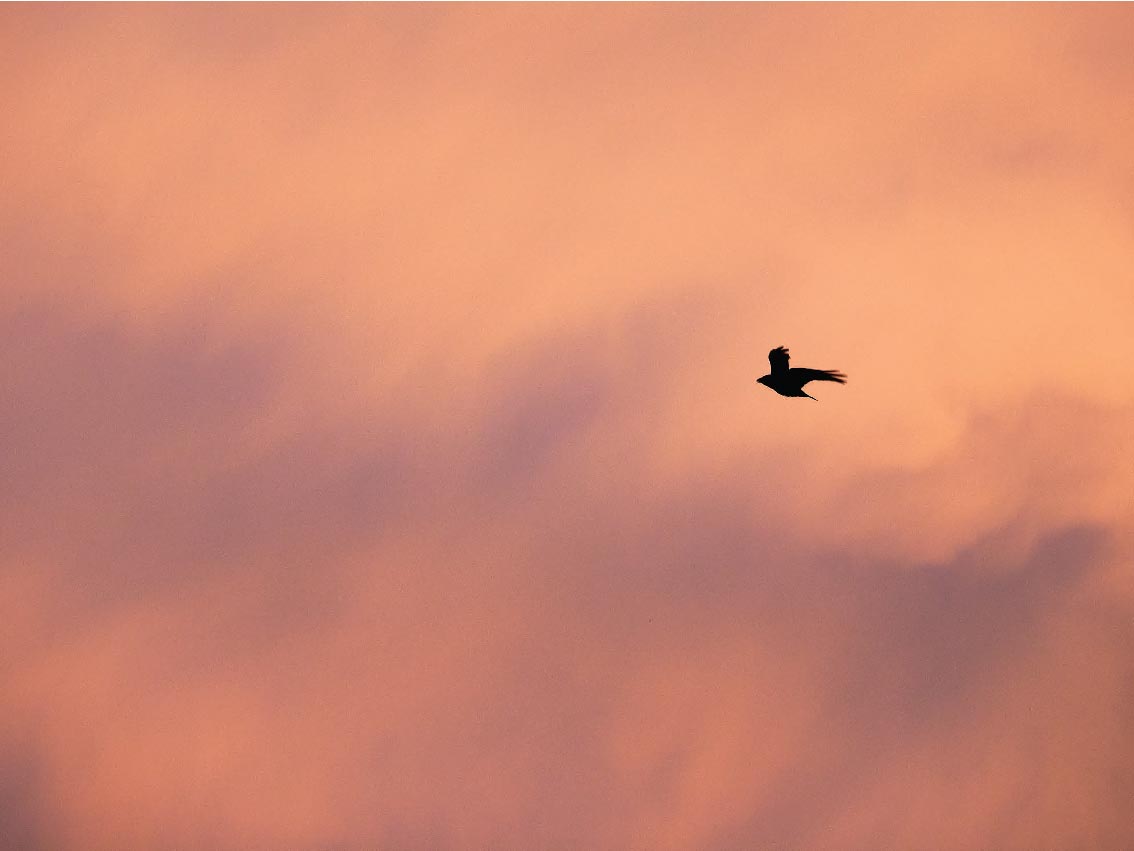
My favourite animal in Greenland!
I saw this guy on my way home from work the other day and stood listening until he flew. The variety of sounds from the Common Ravens here in Greenland is incredible. There’s a reason I’ve written so many haiku about them 😁
Here he’s perched at the top of a large industrial exhaust stack calling out to potential mates. In the northern hemisphere, ravens enter their breeding season around February, and these vocalizations often serve as territorial advertisement. He’s essentially saying, “I’m a healthy, strong male, and I’ve secured this prime, heated real estate.” If you pay attention, you can even hear the sharp snap of his beak.
Have you ever tracked the different sounds of an individual species of bird?
This was recorded on my phone rather than with my field microphones, and I have lightly edited it to reduce the lower frequencies without affecting the raven’s calls. It’s a reminder that the tools at hand, including the small computer in your pocket, can be remarkably capable.
A Haiku Moment
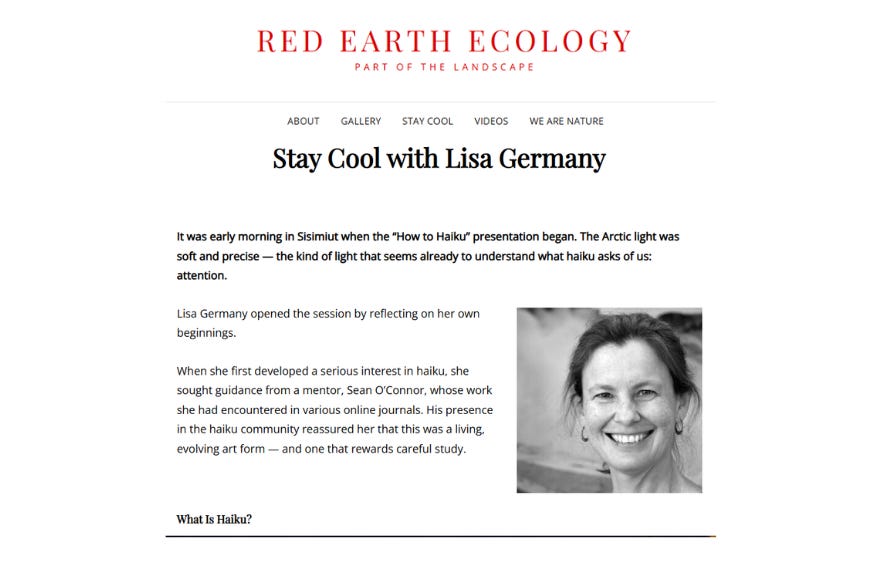
Just wanted to share a writeup of one of the haiku workshops I did recently. This one was for the Stay Cool workshops – supported by Western Riverina Arts and Create NSW through financial assistance from the NSW Government.
Click the image to read the full article.
If you’d like to get started with haiku, subscribe to This Haiku Life to download a 10-page quickstart guide.
Attention Practices – The Neighborhood Soundmap
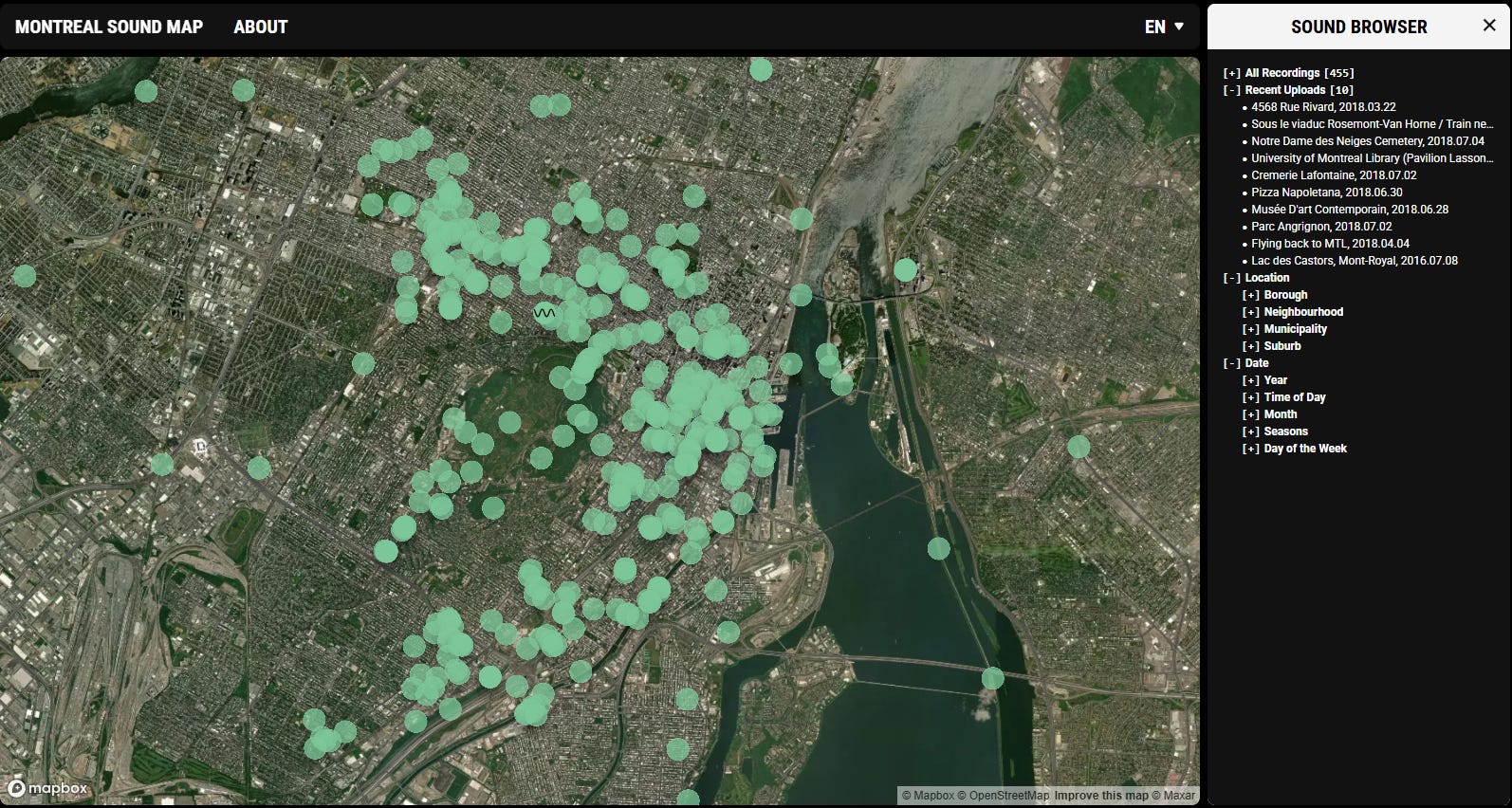
When we think of maps, we usually think of visual markers – roads, buildings, viewpoints, and the like. But if you were to map your neighborhood by sound, what would it look like?
Mapping a soundscape is a wonderful exercise in paying attention. It requires you to forgo what for many of us is our primary sense (sight) and focus on sound. The real challenge, though, is to move beyond just hearing the different noises and start identifying the specific sonic landmarks that give a place its character.
What makes your neighbourhood, your neighbourhood?
I’m currently working on a soundmap like this for Sisimiut, but for an example of a completed project, take a look at the Montréal Sound Map. It’s a sonic time capsule that preserves the character of the city between 2008 and 2018. It treats the city’s soundscape as a shifting, fragile thing worth documenting – reminding us that the sounds of a street can change just as much as which shops are available.
There are also global platforms you can explore for ideas.
I’ve contributed several recordings to Cities and Memory, one of the world’s largest collaborative sound projects. What I love about it is the unique “remix” concept: for many locations on their map, you can hear two versions of the soundscape. First, the “Reality” – the raw, documentary field recording (this is what I contribute). Second, the “Reimagined” version – an artistic interpretation created by another artist using that original recording as their source. It’s fascinating to hear what they produce!
The following image links to one of my field recordings on the platform and another artist’s remixed interpretation of it.
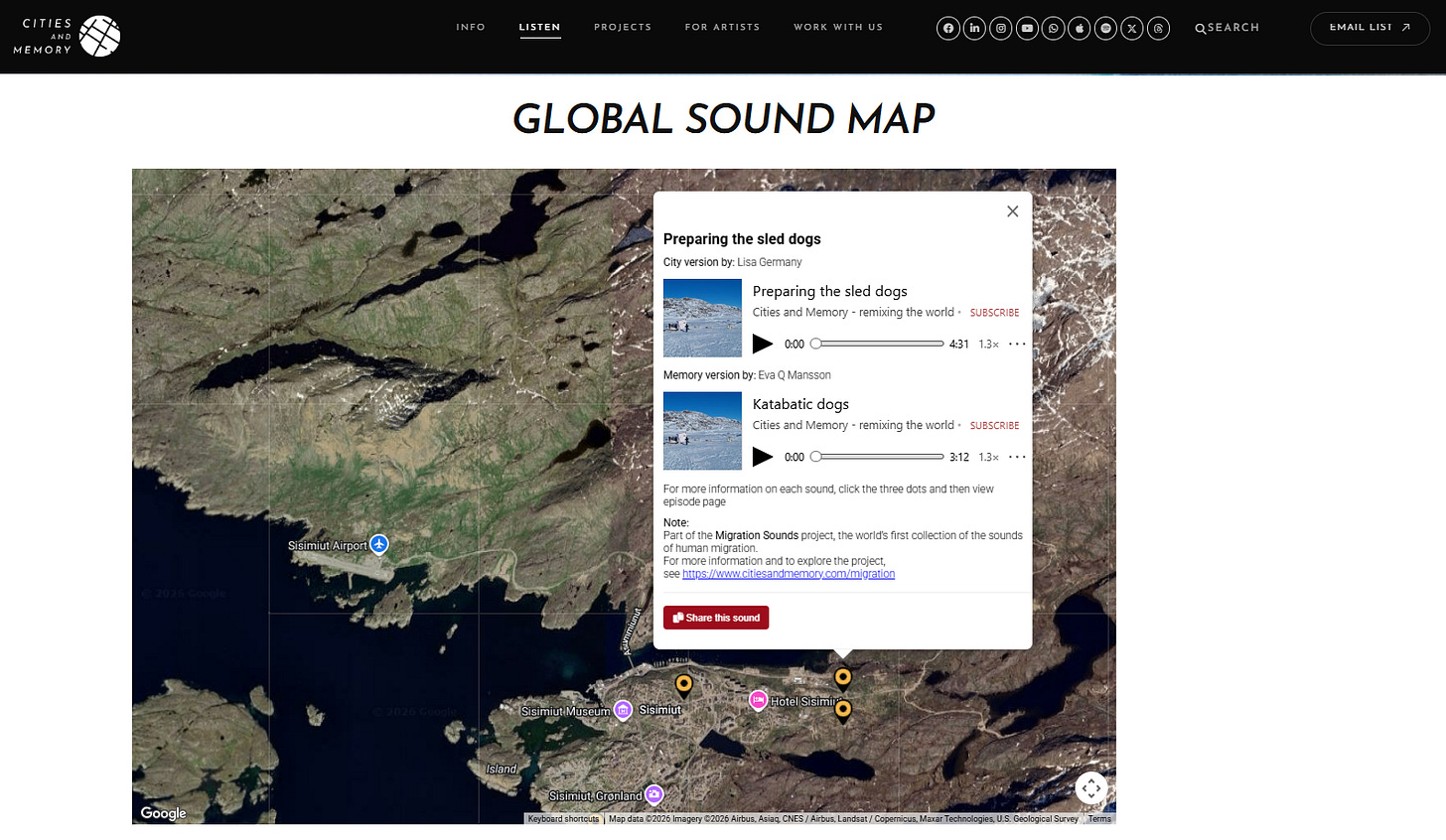
By placing the literal sound right next to a creative response, the project plays with that tension between the physical world and how we hold it in our memory or imagination.
It’s a huge archive – covering everything from the roar of urban centres to the stillness of remote wilderness. For me, it’s a beautiful reminder that the art of noticing isn’t just about documenting what’s out there; it can also be about paying attention to how what we sense resonates within us.
Something to Try
Next time you walk around your neighbourhood, take your earbuds out.
No podcast. No music. No audiobooks.
Keep your eyes open (it does help to see where you’re going while you’re moving), but let your ears take the lead.

Resist the urge to label everything immediately. Instead, tune in. Notice layers. Notice distance. Notice rhythm.
What do you hear?
As you walk, try to identify:
- a sound you’ve never consciously noticed before
- a sound that feels temporary, something that may not be there next time
- a sound that seems constant, part of the deeper character of your neighborhood
You don’t need to go anywhere special. The raven-call video was filmed on the street leading to my house. In fact, it’s often more interesting to do this close to home, so you can hear the soundtrack of your own neighborhood.
Thanks for reading and have a great week!
Best wishes – Lisa
👉 BTW If you enjoy this newsletter, please help spread the word


ウグイス-768x512.jpg)